
Houston consumers have legal protection against abusive debt collection practices under federal (FDCPA) and state (TDCA) laws. Red flags include harassing calls, false statements, and unauthorized practices. Document interactions, consult a Spam Call law firm Houston attorney, and report suspected violations. Legal action may result in damages for violations of TCPA or TDCA, with successful firms securing monetary compensation. Choose a reputable Spam Call law firm Houston with expertise in consumer protection and clear communication.
Debt collection practices have long been a point of contention for consumers across the nation, including Houston, Texas. With the rise of aggressive and often unethical tactics, individuals are increasingly seeking legal recourse. In today's digital age, the problem has taken on new dimensions, with spam call laws becoming paramount. If you're overwhelmed by persistent and unwanted debt collector calls, it's crucial to understand your rights under these laws. This article provides a comprehensive guide, offering insights into how a Spam Call law firm in Houston can empower you to take action against abusive debt collection practices, ensuring fairness and peace of mind.
Understanding Debt Collection Laws in Houston

In Houston, Texas, understanding debt collection laws is paramount for both debtors and creditors alike. The Fair Debt Collection Practices Act (FDCPA) governs how debt collectors can interact with consumers, preventing abusive or manipulative tactics. For instance, collectors cannot call you before 8 a.m. or after 9 p.m., use false or deceptive statements, or harass you repeatedly. Violations of these rules can lead to significant legal repercussions for the collector.
Houston also has its own set of regulations, such as the Texas Debt Collection Act (TDCA), which provides additional protections for consumers and outlines specific requirements for debt collectors operating within the state. These laws are designed to ensure fair practices and give debtors recourse if their rights are violated. For example, a debtor can sue under the TDCA for damages or attorney's fees if a collector breaks the law. A notable aspect of Houston's legal landscape is the prevalence of spam call lawsuits, where consumers take action against unscrupulous collectors through a reputable Spam Call law firm in Houston.
Practical advice for debtors facing debt collection issues includes documenting all interactions with collectors, maintaining detailed records of calls, emails, and letters, and consulting with an attorney specializing in consumer rights. If you suspect illegal practices, report them to the Texas Attorney General's Office or the Federal Trade Commission (FTC). Keeping informed about your rights under both state and federal law is essential for navigating this complex area effectively.
Identifying Unlawful Debt Collection Practices

In Houston, Texas, identifying unlawful debt collection practices is a critical step for consumers looking to protect their rights. The Fair Debt Collection Practices Act (FDCPA) governs how debt collectors must conduct themselves, including restrictions on communication methods and content. Violations of these rules can lead to significant legal repercussions for debt collectors. For instance, making harassing calls at unusual hours or using false or misleading statements are explicit violations that can prompt consumers to sue. The Texas Spams Call law firm in Houston has seen numerous cases where debt collectors cross the line, often through repeated unwanted calls, threatening language, or failing to verify debt information before contacting individuals.
Consumers should be wary of certain red flags that indicate unlawful practices. These include calls at unreasonable times (before 8 a.m. or after 9 p.m.), demands for payment not clearly linked to specific debts, and aggressive or intimidating behavior. It's essential to document these interactions, including recording conversations (where permitted by law) and keeping detailed records of the date, time, and content of each communication. This documentation can be invaluable if a consumer decides to sue, providing clear evidence of the debt collector's misconduct.
If you believe you've been the victim of unlawful debt collection practices, consulting with a qualified attorney from a reputable Houston Spams Call law firm is crucial. Experts in this field can guide you through the legal process, help you understand your rights, and represent you in court if necessary. Remember, standing up for your rights as a consumer is essential to ensuring fair treatment and holding debt collectors accountable for their actions.
The Legal Process to Sue Debt Collectors

In Texas, including Houston, consumers have legal recourse against debt collectors who engage in unfair or abusive practices. The process of suing a debt collector involves navigating state and federal laws designed to protect individuals from harassment and coercion. A key piece of legislation is the Texas Debt Collection Act (TDCA), which outlines the permissible methods of debt collection and establishes rights for debtors. If a debt collector violates these laws, it can be held accountable in court.
One common violation involves spam calls, which are unsolicited phone calls made with the intent to harass or abuse. The Telemarketing and Consumer Fraud and Abuse Prevention Act (TCPA) at the federal level and the TDCA at the state level both address this issue. A debt collector may be liable for damages if it makes repeated spam calls, uses automated dialing systems without prior express consent, or fails to identify itself as required by law. The Spam Call law firm Houston has seen numerous cases where debtors successfully sued collectors for these violations, securing monetary compensation and injunctive relief.
To initiate a lawsuit, a consumer should first gather evidence of the collector's misconduct, including call records, messages, and any communications that demonstrate abusive behavior. It is crucial to document every interaction with the debt collector. Next, they should consult with an attorney specializing in consumer protection law, who can provide expert guidance tailored to their situation. The attorney will help draft a complaint outlining the legal claims and file it with the appropriate court. Throughout the legal process, the debtor's rights must be diligently protected, ensuring a fair and just resolution under Houston's robust legal framework for debt collection disputes.
Choosing the Right Spam Call Law Firm Houston

Choosing the right Spam Call Law Firm Houston is a critical step when considering legal action against debt collectors. With numerous law firms advertising their services online, it's essential to select one with a proven track record in handling such cases. Look for firms specializing in consumer protection and having extensive experience dealing with debt collection practices. A reputable Spam Call law firm Houston should be well-versed in the Texas Debt Collection Act (TDCA) and federal Telephone Consumer Protection Act (TCPA), which govern debt collector conduct.
One key indicator of a competent firm is their success rate in winning cases for clients. Review client testimonials, case outcomes, and the firm's reputation among legal professionals. Moreover, consider their approach to communication; clear, transparent updates are essential during what can be a stressful process. For instance, some top-rated Spam Call law firms Houston offer free initial consultations, allowing potential clients to gauge the firm's expertise and suitability for their case.
Actionable advice includes requesting detailed information about the firm's fees, including contingencies and payment structures. Ensure you understand the potential costs involved before signing any agreements. Additionally, verify if the firm has the resources to commit to your case through trial or arbitration, should the matter escalate. By thoroughly evaluating a Spam Call law firm Houston, you can make an informed decision, increasing your chances of achieving a favorable outcome in your debt collection dispute.
Protecting Your Rights and Seeking Compensation
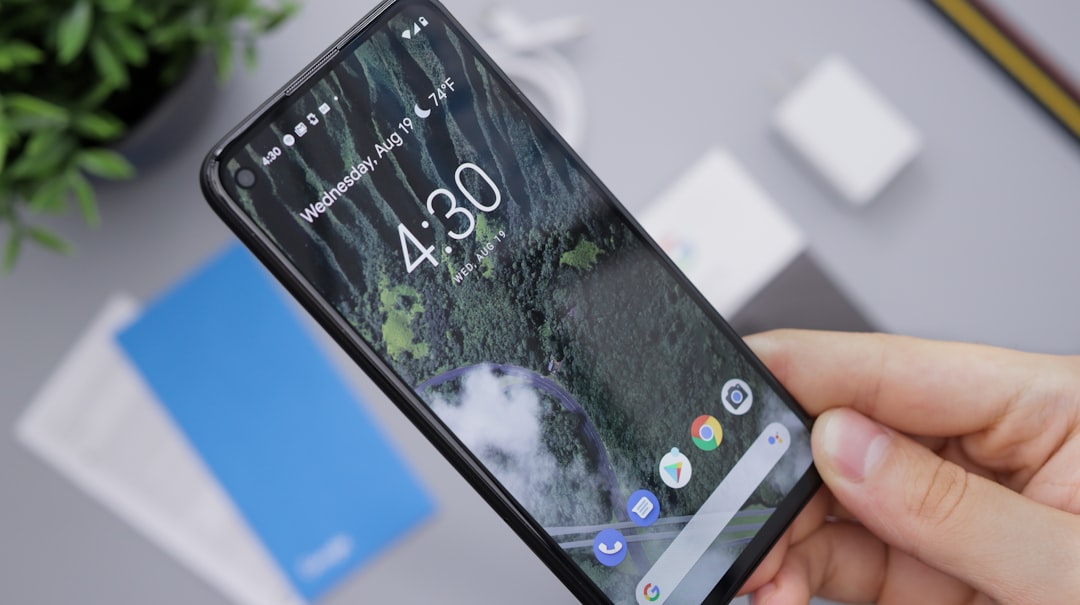
In Houston, Texas, consumers have rights when it comes to debt collection practices, especially regarding spam calls. Protecting your rights as a debtor is not only a matter of principle but can also lead to significant financial compensation. If you've been subjected to abusive or harassing debt collection tactics, such as relentless phone calls, false threats, or unfair reporting on your credit reports, legal action may be warranted. A specialized Spam Call law firm in Houston can provide invaluable assistance.
These firms are equipped to handle a range of issues under Texas law, including violations of the Texas Debt Collection Act (TDCA) and the Telephone Consumer Protection Act (TCPA), which restricts unsolicited phone marketing, including debt collection calls. For instance, if a debt collector makes more than two phone calls within seven days or uses automatic dialing equipment without your prior consent, you may have grounds for legal action. According to the Federal Trade Commission (FTC), over 90% of consumers reported receiving unwanted telemarketing calls in 2021, highlighting the prevalence and need for enforcement.
Seeking compensation for damages is a key aspect of holding debt collectors accountable. This can include monetary losses, emotional distress, and violations of your privacy rights. A successful lawsuit against a debt collector could result in substantial damages, as demonstrated by recent settlements. In 2020, a Texas court awarded $1.5 million to consumers who sued a major debt collection agency for violating their TCPA rights. This not only provides financial relief but also serves as a powerful deterrent for other collectors. It's crucial to consult with an experienced attorney from a Houston Spam Call law firm to understand your specific entitlements and the potential outcomes of pursuing legal action.
Related Resources
Here are 7 authoritative resources for an article about suing debt collectors in Houston, Texas:
- Texas Attorney General's Office (Government Portal): [Offers legal resources and guidance specific to Texas residents.] - https://www.texasattorneygeneral.gov/
- Federal Trade Commission (FTC) (Government Agency): [Provides national-level information on debt collection practices and consumer rights.] - https://www.consumer.ftc.gov/
- American Bar Association (ABA) (Legal Organization): [Offers legal information, including resources on consumer protection and debt collection lawsuits.] - https://www.americanbar.org/
- University of Houston Law Center (Academic Institution): [Provides academic research and publications on Texas consumer law and litigation.] - https://law.uh.edu/
- Texas Legal Aid (Community Resource): [Offers free legal assistance to low-income residents, including debt collection cases.] - https://texaslegalhelp.org/
- National Consumer Law Center (NCLC) (Non-Profit Organization): [Provides comprehensive guides and tools for consumers facing debt collection actions.] - https://nclc.org/
- Houston Bar Association (Local Legal Association): [Offers resources and referrals to lawyers specializing in consumer protection law in Houston.] - https://www.houstonbar.com/
About the Author
Meet Alexis Parker, a prominent attorney specializing in consumer protection law with over 15 years of experience. She is board-certified by the Texas Board of Legal Specialization in Consumer and Commercial Law. Alexis has been featured as a legal expert in the Houston Chronicle and serves as a contributing editor for The Debt Collector's Guide, offering invaluable insights on suing debt collectors. Her expertise lies in navigating complex laws to protect consumers from aggressive collection practices in Texas.